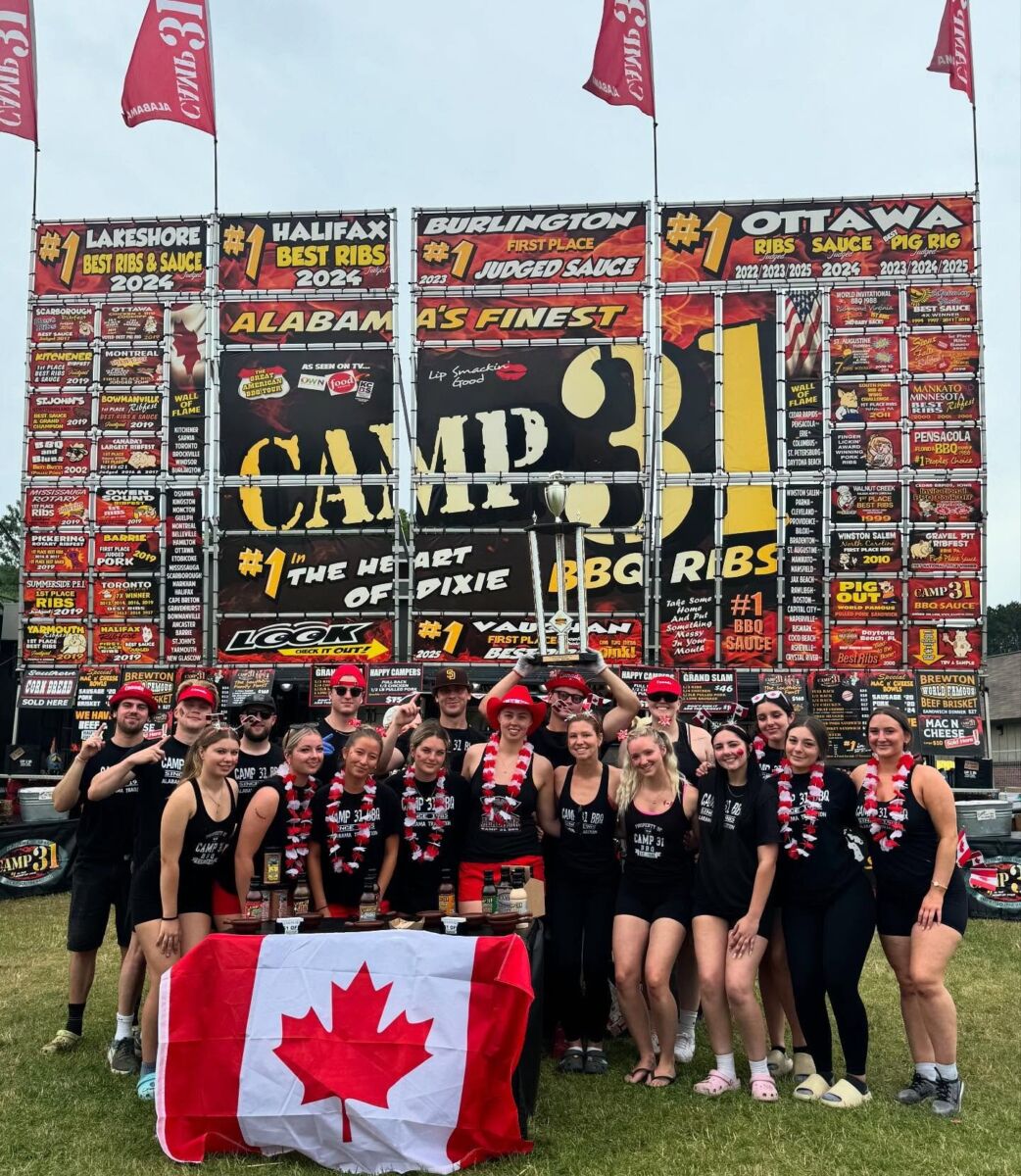
Death-of-the-Oshawa-Ribfest
Image via Camp31SouthernBBQ on Facebook
Death of the Oshawa Ribfest
The Bureaucratic Starvation of Local Culture
By Robert Paterson
The sudden cancellation of the Oshawa Rotary Ribfest after 25 years isn’t just a disappointment for local families who look forward to August weekends at Lakeview Park. It is a loud, flashing warning sign. This loss is a direct symptom of a highly centralized, corporate-minded provincial framework that prioritizes corporate-scale tourism metrics over organic community fabric.
When you look closely at the mechanics behind this collapse, it becomes clear how structural rules create a hostile environment for grassroots culture.
Why The “Defence” of the Grant Rules Fails
To fight a flawed system, you have to understand how it defends itself. Proponents of Ontario’s current festival funding frameworks—such as the Experience Ontario program—rely on a rigid spreadsheet logic to protect public funds.
- The “Economic Return” Defence: Provincial policymakers argue that tax dollars must act as investment capital, not charity. They prioritize events that draw tourists from more than 40 kilometres away, banking on hotel stays, gas station stops, and provincial sales tax. To a bureaucrat, a local resident attending a hometown festival is just shuffling the same money around the same region.
- The “Skin in the Game” Rule: The stringent 50% funding match requirement is defended as a risk-mitigation tool. The province argues that if an event cannot secure half its funding from the private sector, it lacks community viability—and taxpayers shouldn’t fully subsidize a sinking ship.
Why This Logic Fails Local Culture
This corporate mindset fundamentally misunderstands the value of social capital. A community festival fosters psychological stability, civic pride, and regional heritage. By forcing a volunteer service club to compete using the same metrics as multi-million-dollar, for-profit music festivals, the province ensures that grassroots culture is systematically starved out.
Too Much Power in Too Few Hands
The current crisis is the result of top-down centralization within the Ontario Ministry of Tourism, Culture and Gaming. Over the last decade, provincial funding has increasingly shifted toward a centralized meritocracy run by Toronto-based bureaucrats who look at spreadsheets rather than local realities.
This concentration of power means that a handful of ministry officials determine the cultural calendar for the entire province using rigid, algorithmic scoring systems. Local MPPs are left trying to patch holes by announcing smaller funding pools, but their hands are tied by overarching provincial mandates.
As Ontario’s Auditor General previously pointed out, this centralized control doesn’t even guarantee efficiency; it creates a system plagued by a lack of standard criteria that fails to adapt to real, on-the-ground needs, resulting in programs that simply don’t fit municipal realities.
The “In-Kind” Trap: The Illusion of Support
When the City of Oshawa approves $30,000 for a community event, it sounds fantastic in a press release. However, this highlights a critical flaw in how local events are funded: The Liquid Capital Illusion.
- The City’s Contribution: The $30,000 is almost entirely “in-kind” support. This means the city waives park rental fees, drops off traffic barricades, or provides municipal staff to clear garbage.
- The Organizer’s Reality: In-kind support results in zero cash for immediate bills. It does not pay the rising costs of private security, it does not cover skyrocketing insurance premiums, and it does not pay the upfront cash deposits required by musicians and food vendors.
This creates a paradox where volunteer organizations like the Rotary Club are left asset-rich but cash-poor. They are trapped by municipal “funding” that cannot be used to pay the real-world expenses needed to keep a festival alive, ultimately leading to deficits and cancellations.
What Realistically Can Be Done?
To prevent more summer traditions from going dark, the funding model must be decentralized. Power needs to be stripped from Toronto desks and returned to local communities through three structural reforms:
- Create a “Legacy” Stream: The Ministry must create a secondary funding stream completely independent of the 40-kilometre tourism rule. If an event has run successfully for more than 10 or 15 years by a registered volunteer service club (Rotary, Lions, Kiwanis), it should qualify for operational sustainability grants, not just “growth” grants.
- Allow Flexible Capital Conversion: Municipalities should be given the regulatory freedom by the province to convert a portion of approved “in-kind” budget lines into direct, short-term cash loans or micro-grants for volunteer organizations facing immediate operational deficits.
- A “Volunteer Hours” Valuation: If the province requires a 50% matching contribution, they should allow volunteer hours to be calculated as financial matching capital. If a Rotary Club contributes thousands of hours of unpaid labour, that sweat equity should be valued at a standard wage rate and counted toward their 50% obligation.
The Reality Check
The loss of the Oshawa Rotary Ribfest is a stark reminder that when culture is managed purely like a business, the community loses its soul. If Queen’s Park continues to measure the worth of a festival solely by hotel room bookings rather than regional heritage, the upcoming summers will only get quieter.








Explore More...