
Ideology-Is-the-Weapon
Ideology Is the Weapon
By Douglas Jack
Most people are completely unaware that, for the last 113 years, the world has been in a constant series of civil wars, invasions, occupations, and two back-to-back world wars. WWI and WWII are the most widely known wars, but the casualties from genocides in places like Burma and North Africa are argued by some to rival or exceed those totals—yet almost no one talks about them. The civil war in Burma has been going on for decades. Millions have been slaughtered, and yet we continue to give billions to the same regimes responsible for it.
War hasn’t stopped. It’s just been normalized. Traditional kinetic warfare has evolved at such an unsustainable rate that the resources required to maintain military superiority are collapsing the very economies meant to support it. The theatre of war has had to “renovate” itself—expanding its infrastructure and capacity to sustain larger and more complex conflicts—while our adversaries are switching to less expensive non-kinetic warfare: ideological warfare.
To fill the ranks in any traditional military requires a lot of people. They need to be trained, fed, housed, armed, and educated. On top of that, there has to be enforcement—laws and the threat of prosecution if those highly trained personnel defect or leak sensitive information. That implies that either high salaries or devout patriotism are needed to attract them. Either way, the cost is obvious—and massive. Right now, as I’m writing this, it seems like one out of every three ads on YouTube is Islamic propaganda, and maybe one out of every hundred ads is for enlisting in the U.S. military—that is a disturbing ratio.
Ideology did for warfare what drones did in Ukraine—it changed the theatre of war. Unlike conventional weapons that require manufacturing, logistics, and ammunition, ideology is insanely cheap to mass-produce and distribute. It scales instantly. And it’s attractive. It requires nothing from the person consuming it. No training. No sacrifice. No upfront cost. It simply offers an explanation for their suffering—and tells them who to blame.
Ideologies are nothing more than well-worded guilt trips.
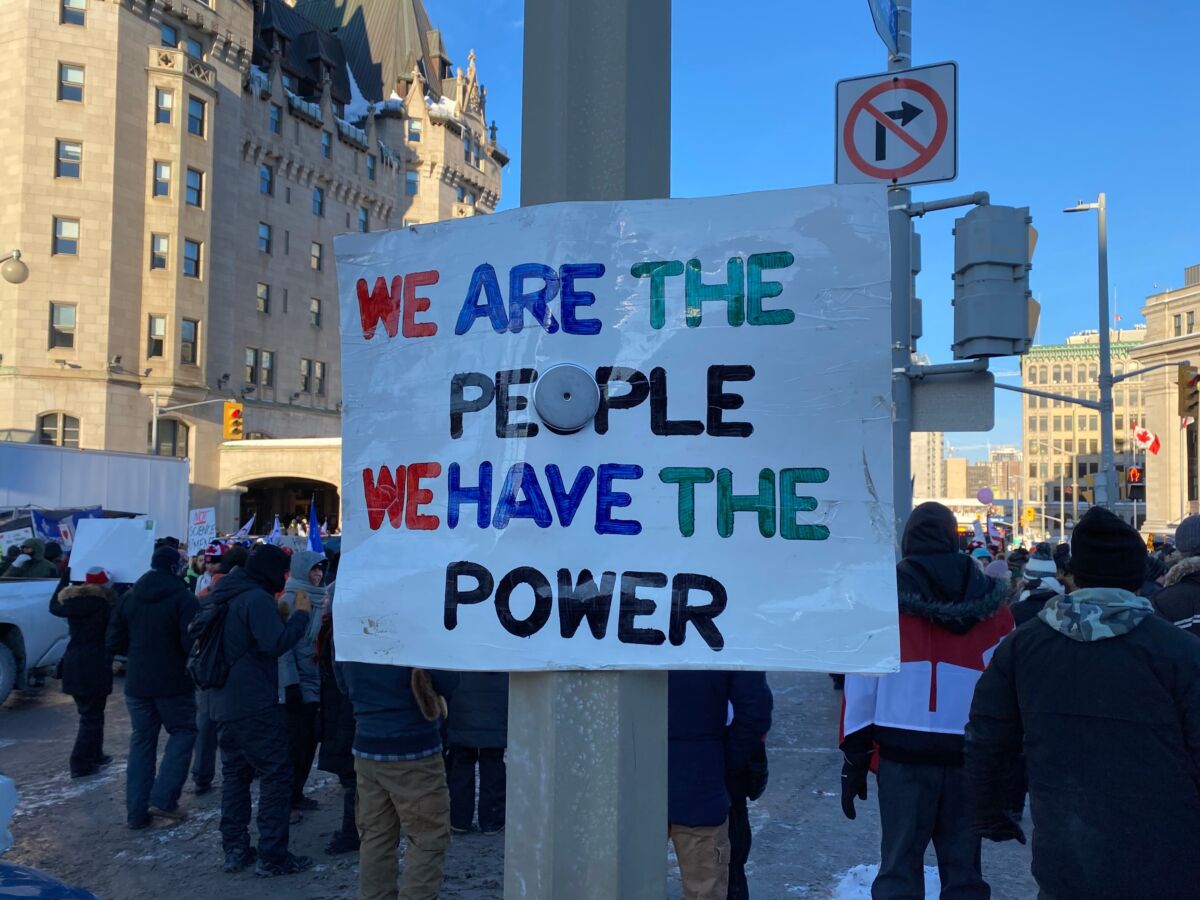
To physically invade another country costs tens to hundreds of billions of dollars. The cost to buy government lobbyists, media, and advertising is in the millions—it’s pretty simple math. In Canada, the cost of invoking the Emergencies Act to quell internal dissent is nearing a billion dollars, while lobbying and influencing policy at scale costs only a few hundred thousand. Entire national directions can be shifted without a single shot being fired.
Enlisting people into ideology camps is very cost-effective. There is no need for recruiting stations, barracks, uniforms, or equipment—and they don’t have to be paid, as they already have jobs, incomes, and a place to live. Anyone “enlisting” in an ideological camp doesn’t have to pay anything up front or sign any paperwork—they just have to believe. And once they do, the real work of ideological combatants is not to fight and die in violent conflict; it is simply to vote.
You don’t need to conquer a country if you can convince its people to surrender it themselves.








Explore More...