The-Front-Sells-The-Back-Tells
The Front Sells, The Back Tells
By Zane Sampson
Stand in any grocery aisle and watch what people actually do. They pick up a box, look at the front for about three seconds, and drop it in the cart. Almost nobody turns the package around.
I know how that shelf works because I spent more than ten years on the other side of it. I managed a Natural Grocers store. I have owned brands in this industry and consulted for wellness businesses. I have been in the conversations where the front of a package gets decided, and I can tell you plainly what the front is. The front is an ad. It was written to sell you the product in about three seconds, and it is very good at its job.
The back is a different document. The back is the part the company is required to print. Ingredient lists. Nutrition panels. Warnings. Directions. Disclaimers. Nobody in marketing loves the back, because the back is where the claims meet the facts. Learn to read the back first, and the front loses most of its power over you.
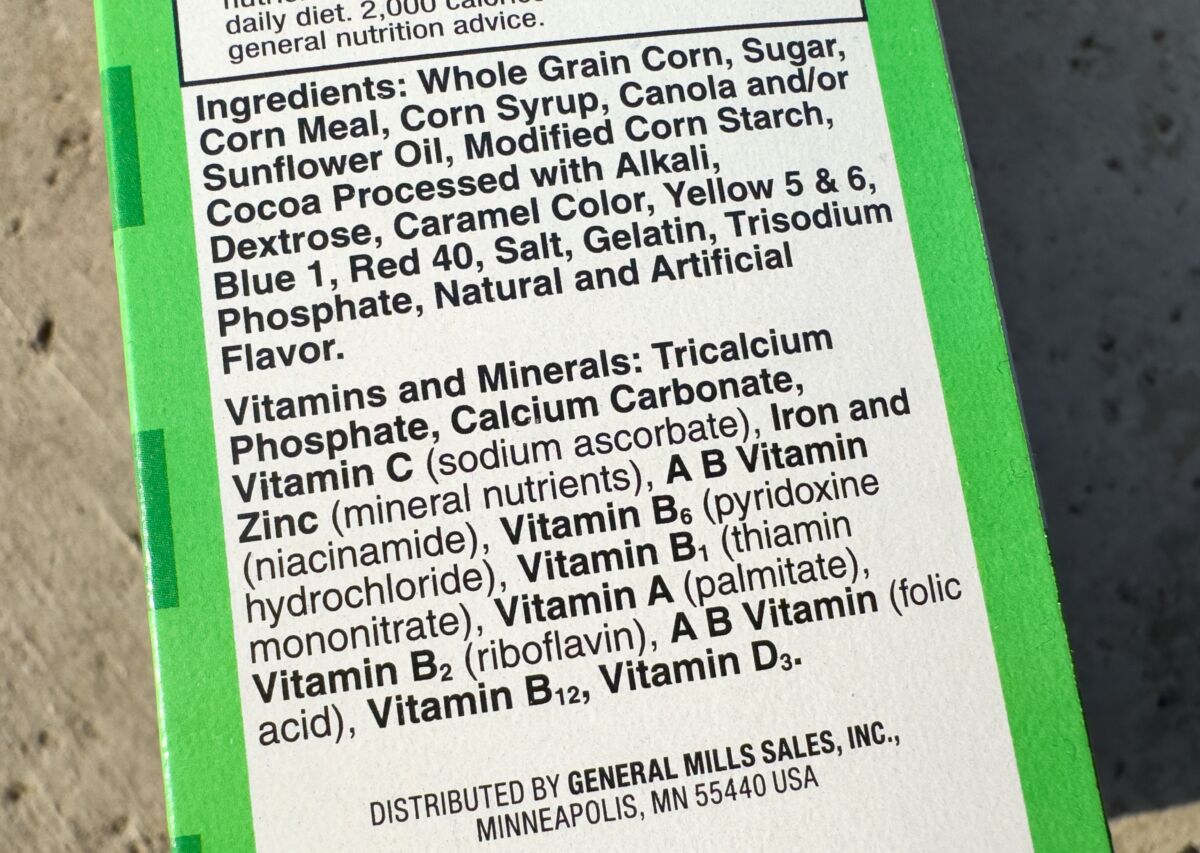
Start in the grocery aisle. A cereal box will tell you it is made with whole grains, fortified with vitamins, and part of a balanced breakfast. Turn it around. Ingredients are listed in order by weight, so the first ingredient is the biggest share of what is in the box. On plenty of those boxes, sugar is second. Sometimes it shows up two or three times under different names, so no single listing looks too big.
Then check the serving size. The numbers on that panel are only as honest as the portion is realistic, and the portion printed is often smaller than what anyone actually pours into a bowl on a tired morning.
The same game runs down every aisle. A bottle of juice can call itself natural in big letters, because that word carries almost no legal weight. The back will tell you if it came from concentrate and what else went in. A granola bar can wear pictures of orchards and honey dippers on the front and carry more sugar than a candy bar on the back. The front sells you a feeling about the food. The back just lists the food.
Now walk over to the pharmacy aisle, because it gets more interesting there. A supplement bottle will promise big things on the front. Supports immune health. Promotes restful sleep. Clinically studied ingredients. Then, at the bottom of the back, in print small enough that most people never read it, sits the most honest sentence on the whole bottle: these statements have not been evaluated by the food and drug authorities, and this product is not intended to diagnose, treat, cure, or prevent any disease.
That sentence is not fine print to skip. It is the key to the whole shelf. The claim on the front is allowed because it is built to sound like a promise without legally being one. It does not have to be proven the way a drug claim has to be proven. The disclaimer is there because the front is writing checks the back cannot cash. The wording changes a little across the border, and the details differ, but the setup is identical in a Canadian store and an American one. Big promise up front. Small honesty in the back.
Supplements have one more trick worth knowing. Plenty of bottles list a proprietary blend on the back, a group of ingredients with one combined weight and no amounts for each one. The front will name the exciting ingredients in that blend, one by one. The back will tell you the whole blend weighs, say, 500 milligrams total, which means the ingredient doing the starring could be most of it or almost none of it, and nobody has to tell you which. Notice the pattern. When an amount would impress you, a company prints the amount. When it would not, the amount disappears into a blend.
Check the cleaners under your sink tonight, and you will find the same split personality. The front says the spray kills 99.9 percent of germs, that it is green, plant-based, free and clear. The back says to use it in a well-ventilated area, keep it out of reach of children, and call for help if it is swallowed. A product can be gentle on the front and carry warnings on the back, and both panels are perfectly legal, because they were written for different readers. The front was written for your feelings. The back was written for the record.
Once you see the split, you start to notice how much of the front is built to scare you a little. Chemical-free, on products that are made of chemicals, because everything is. Non-toxic, without ever saying compared to what.
Labels designed to make your tap water, your soap, and your breakfast sound like threats you need protection from. Fear is the fastest way to move a product off a shelf, and the front of the package is where the fear gets printed in the largest type. The back is where fear goes to die, because the back has to deal in amounts, ingredients, and instructions instead of feelings.
You do not need a degree or an app to beat this. You need one habit and three quick checks:
First, read the ingredient list before you read the claims. Order means weight. If the ingredient being bragged about on the front sits ninth on the back, it is a garnish, not the product.
Second, hold the serving size up against your real life. A panel can make almost anything look reasonable if the portion is small enough. What matters is the amount you will actually eat, drink, spray, or swallow.
Third, match the biggest word on the front to a line on the back. If protein is huge up front, find the grams. If a claim is huge up front and you cannot find anything on the back that backs it, you have learned something important. A claim a company will not put in writing where it counts is not a claim. It is bait.
None of this makes the products the enemy. Most of what is on those shelves is fine, some of it is genuinely good, and all of it is easier to judge once you know which side of the package is talking to you.
Companies will keep writing the front. That is their job, and they are good at it. Your job is simpler, and it takes about five seconds. Turn the package around.
The front was written at you. The back was written for you. Check the back first.
Zane Sampson spent more than ten years in natural health retail, managed a Natural Grocers store, and has owned brands and consulted for wellness businesses. He is the author of SOLD ON FEAR and writes at zanesampson.com.







Explore More...