Staying-Alive-as-the-System-Frays
Staying Alive as the System Frays
By Bruce Scholl | UnscrewTheNews.com
In 1911, two men raced for the South Pole. Roald Amundsen copied the Inuit: furs, dog teams, a steady pace. Robert Falcon Scott trusted motor sledges, ponies and British grit. The machines broke. Amundsen brought every man home. Scott and his last companions froze about 18 km from a depot full of food and fuel.
Toughness and gear lose to adaptability. That’s what this is about. Not bunkers. A practical plan to stay healthy, fed, warm, solvent and connected while the systems we depend on get less reliable.
It Won’t Be One Big Crash
Societies rarely collapse overnight. They wear down. Prices climb faster than wages. Shelves thin out. Trust erodes. In January 2024, Alberta’s grid came within about 10 megawatts of rotating outages. In July 2022, one Rogers failure took Interac debit down across Canada.
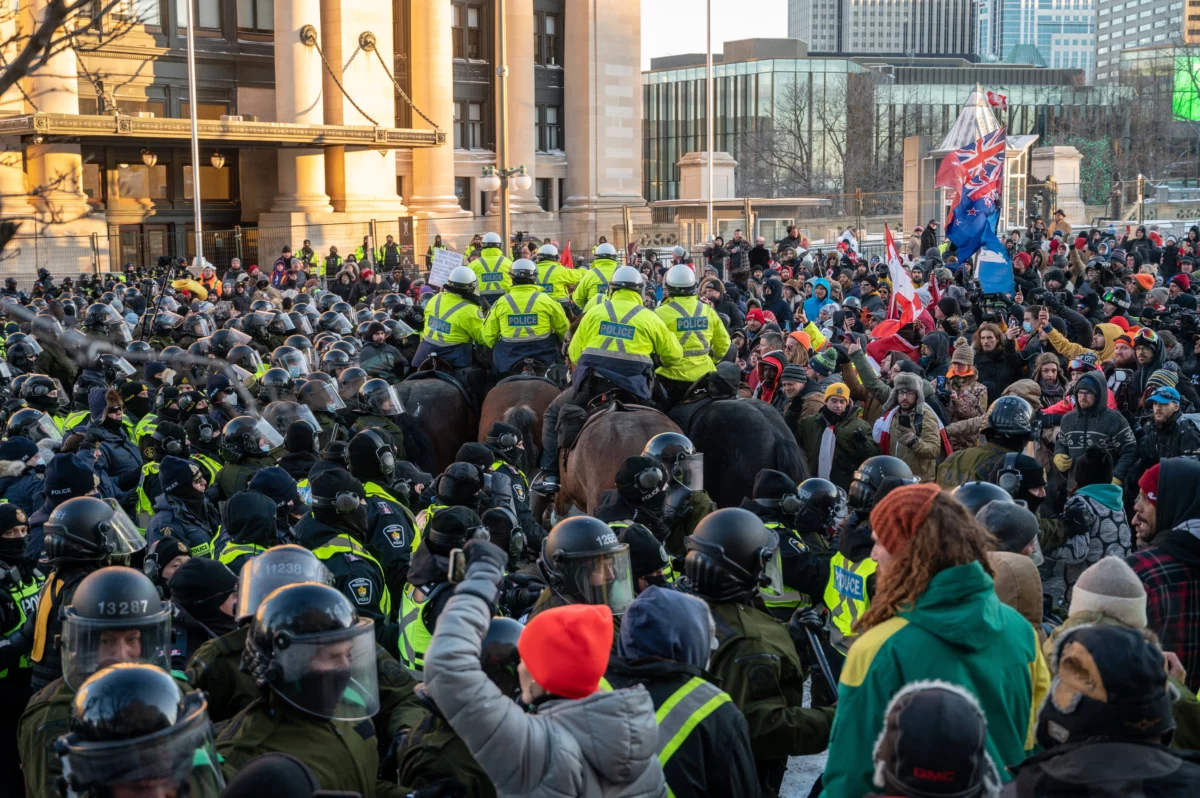
Freedom erodes the same way, one emergency at a time. During COVID, churches and businesses were shut by order, and an Alberta pastor was jailed for holding services. In 2022, Ottawa invoked the Emergencies Act, and banks froze protesters’ accounts without a court order. The Federal Court ruled it unreasonable and a Charter breach, and the Federal Court of Appeal upheld that. A power taken in a crisis is a power that can be used again.
Decide Now, Not in the Panic
For most events, staying home is the better default. Leave only for a local, immediate threat: fire, flood or an evacuation order. Give everyone in the house a job (lead, security, supplies, communications, medical), each with a backup. Run a short drill once a week for a month: blackout, water, communications, lockdown. Put the plan on one page on the fridge.
Health Is the First Layer
Part of making yourself less killable by your government is making your family as healthy as you can. Cut the chemicals. Drink filtered or spring water. Cook from scratch. Work out. Get rest. Be self-reliant for minor problems. Doctors and hospitals are a last resort, but know when to go: severe bleeding, chest pain, stroke signs, trouble breathing, serious burns, or a spreading infection with fever. Take a first aid course and ask for 90-day prescription refills.
Defend Your Home
Train hand-to-hand: jiu-jitsu, Krav Maga, boxing. If someone breaks in, don’t search the house. Get the family into a locked room, call 911, make noise and hold your position. If you’re cornered, fight to escape. Under the Criminal Code, force must be reasonable in the circumstances. Pepper spray made for use on people is prohibited in Canada.
Water: Store Two Kinds
Store drinking water: about 4 litres per person per day, building from two weeks to three months. Then store plain tap water for flushing. When the taps stop, the toilet is the biggest water user in the house, and a bucket of about 6 litres poured into the bowl flushes it. Fill the bathtub at the first warning. Keep three ways to make water safe: boiling, a filter, and bleach or tablets.
Food and Pets
Grocery stores hold a few days of stock. Build your pantry in layers: two weeks, a month, three months. Store what you eat and rotate it. Favour rice, beans, oats, canned meat, oils, honey and salt. Learn to can and preserve. Store the same for your pets, plus supplies for babies, elders and anyone with medical needs.
Heat Without Power
Your gas furnace won’t run without electricity. In a winter outage, heat one small room and live in it. Dress in layers and never wear cotton next to the skin. Get off cold floors. Sleep close together. Shut off the water and drain the pipes before they freeze. Never run a generator, barbecue or camp stove indoors. Keep a battery carbon monoxide alarm on every level. Don’t tough it out: cold dulls your judgement before you notice.
Money: What Holds Value
Currency collapses follow a pattern: Yugoslavia, Zimbabwe, Venezuela. Governments print, prices soar, shelves empty. Zimbabwe’s inflation peaked near 500 billion percent in 2008.
Canada is doing it slowly. A dollar today buys what 4 cents bought in 1914. A 2000 dollar has lost 42% of its value, and about 17% has gone since 2020 alone. (Source: Statistics Canada CPI, annual average, 1914–2025.)
I invest mostly in silver, and gold is good too. My rules:
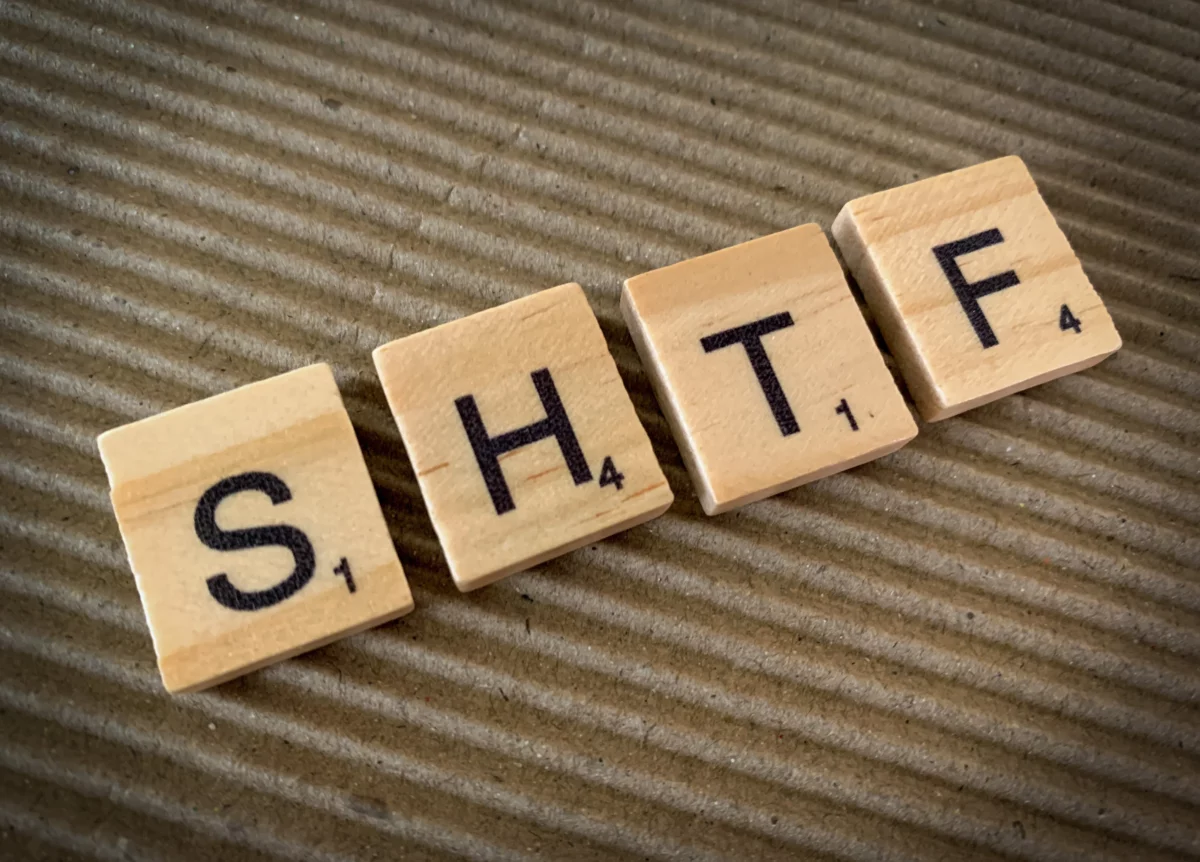
- Bullion only, never numismatic coins. Collector coins are overpriced and hard to sell when the SHTF. Investment-grade bullion is GST-exempt in Canada; collector coins aren’t.
- Buy recognizable pieces in small sizes, like Maple Leafs and 1 oz rounds.
- Store it in more than one place.
- Keep some cash for outages, but not much. It loses value fast.
Metals pay no interest and prices swing. In a real breakdown, food, fuel, and medicine come first. Keep a small trade stash separate from your core supplies.
Skills and Silence
Supplies run out. Skills don’t, and nobody can confiscate them. Learn gardening, canning, first aid, small-engine repair, sewing and ham radio. Pick one per season.
Have a battery radio and two-way radios for when the cell network is down. Check rumours against what people actually saw. Use a VPN, encrypted messaging, and two-factor logins. And keep quiet about what you have: in a long outage, the house with lights, noise and cooking smells draws attention first. Never open the door to strangers, and agree on a family code word.
Rights and Paperwork
Read your province’s Emergency Management Act and the federal Emergencies Act before you need them. Keep a waterproof binder with ID, land title, insurance, financial and medical records, plus an encrypted copy elsewhere. If an official acts against you, stay calm, ask in writing which law authorizes it, and write down names and times. Comply now, challenge later.
Network Before You Need It
Self-sufficiency is an illusion. Nobody can grow all their food, fix every machine and stand watch around the clock.
In Yugoslavia’s hyperinflation, the shelves emptied but the country didn’t starve. City families were fed by relatives on farms. The people who came through best had the right relationships.
So network with your community before you need it. Know your farmers, ranchers, butchers and tradespeople, and buy from them now. Know which neighbour is a nurse and which one has a generator. Join a community garden or a time bank. You can’t build trust during a crisis. It has to exist before.
Stay Adaptable
Scott had more gear. Amundsen adapted. Get healthy. Store water for drinking and flushing. Keep a living pantry. Plan for the cold. Hold real value. Learn skills. And know who to call.
Bruce Scholl shares these personal practices for informational purposes only. They are not financial, legal or medical advice. For more, please visit unscrewthewnews.com






Explore More...