Homeopathy-for-Uncertain-Times
Homeopathy for Uncertain Times
What Horses, Family, and Farm Life Taught Me About Preparedness
By Shirley Guertin | Substack.com/@ShirleyGuertin
I remember one particular horse show during an Ottawa heatwave. Riders kept their horses in whatever shade they could find while waiting for their turn to go into the show ring. The horses stood quietly, saving their energy in the heat.
A teenage girl who had come with our group to help was sitting alone in the shade of the horse trailer. Her face was flushed a deep red, and she looked miserable.
She told me this happened to her often when she was out in the sun. The headache had come on suddenly and was throbbing badly. Someone had already tried to help by bringing her ice, but it wasn’t touching the pain.
Her symptoms were clear. I gave her a homeopathic remedy that matched what she was experiencing.
Within twenty minutes, the headache eased and then disappeared.
She was surprised. She told me she frequently got headaches like this from the sun and that nothing had ever helped her before. To me, it was simply what happens when the right homeopathic remedy meets the right situation at the right time. At the time, I didn’t think of it as anything remarkable. It was simply a matter of understanding what was in front of me and responding appropriately.
Only later did I begin to understand how important that kind of knowledge really is. We are living in a time when many people are rethinking preparedness and self-reliance, and medical preparedness is part of that. Knowing how to respond when something begins can change the course of what follows.
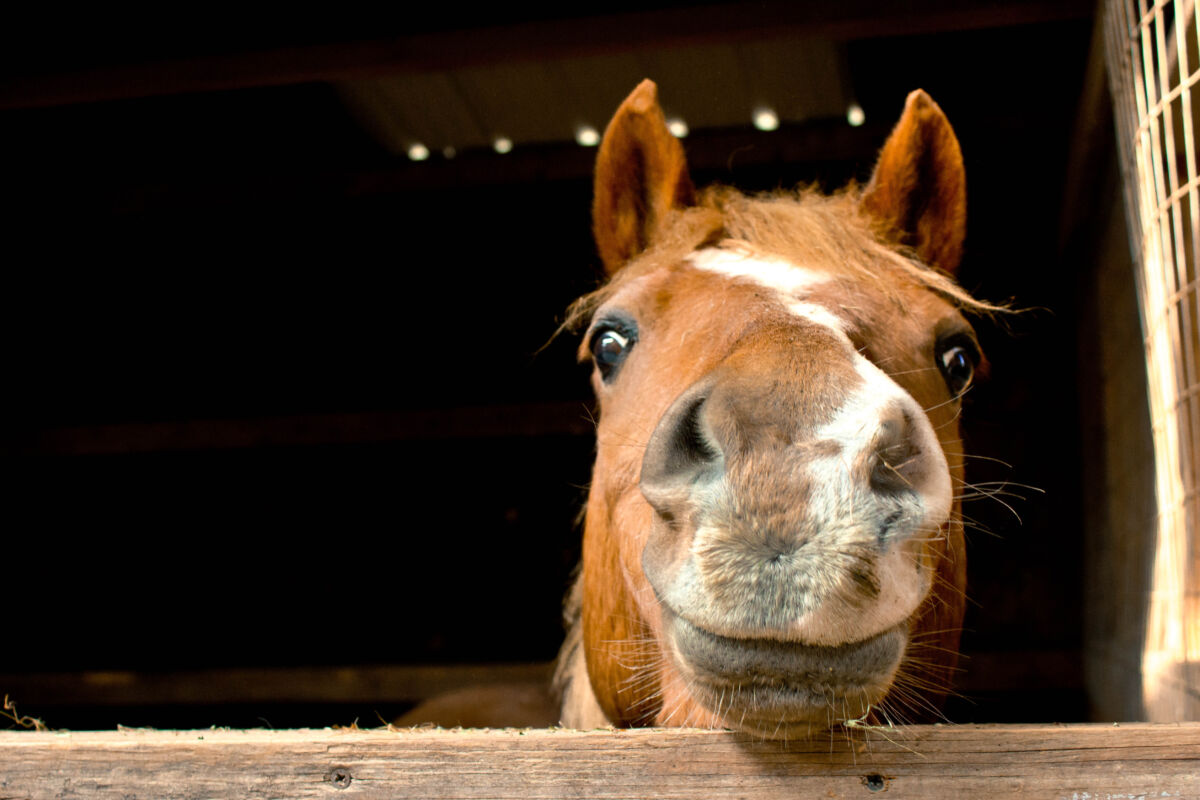
For nearly fifty years, I ran a riding school and bred Canadian Sport Horses. At one point, we had over sixty horses in our care. There were constant opportunities to use homeopathy. Horses came in sore from hard work. Wounds needed to heal cleanly. Injuries required careful support. Over time, homeopathic remedies became part of daily care.
One of those horses was a school horse named Maggie.
Colic is the number one killer of horses. No one who has spent time around horses ever takes colic lightly. When Maggie first showed signs, we walked her, gave her remedies and watched her closely. When she did not improve quickly, we called the veterinarian.
By the time the vet arrived, Maggie was in serious distress. She kept throwing herself to the ground, trying to roll, which can make colic far more dangerous by twisting the gut. We struggled to keep her standing, but she was becoming more distressed and weaker. At one point, she could barely remain on her feet and was leaning heavily against the barn aisle wall.
The vet told us the only thing left to try to save her was to send her to the veterinary hospital three hours away. Those hospitals can save lives, but the cost runs into many thousands of dollars, and even then, there are no guarantees. The vet began contacting the hospital while we stayed with Maggie.
I was still searching for the right remedy. I reached down and felt her legs. They were ice cold.
In that moment, the picture became clear. I gave the remedy that matched her condition.
Within minutes, Maggie stopped trying to roll. She stood on her own without leaning on the wall. The panic left her eyes. Her expression changed. She became present again.
Maggie lived for many more years and taught many more riders the ropes.
Experiences like that teach you something fundamental. The greatest opportunity to help often exists at the beginning, when something first shifts. Recognizing that moment and knowing how to respond can make all the difference.
I saw this again while attending a homeopathy course myself.
A woman had volunteered to be a teaching case. She came because she had recently been diagnosed with diabetes. She was devastated. She realized this was permanent, that it would define the rest of her life.
As our teacher, an experienced homeopath, carefully took her case, something important emerged. Her symptoms had begun shortly after the sudden death of her husband.
The remedy was chosen based on the full picture of her experience. It was a well-known remedy, commonly used in cases of profound grief.
Two months later, when she returned to the class, her blood sugar had normalized, and the diabetes was gone, to the astonishment of her doctors.
What stayed with me was not only the outcome but also what it revealed. When the underlying disturbance was recognized and addressed, the body was able to return to balance. It also raised an obvious question. Had that same remedy been given at the time of her bereavement, might the illness never have taken hold at all?
Homeopathy treats the person as a whole rather than focusing on isolated symptoms. Physical symptoms, emotional state, and the circumstances surrounding an illness are all part of the picture.
Over time, homeopathy evolved into something that could be used not only by trained practitioners but also in the home. In 1833, Constantine Hering wrote the first guide for the home prescriber. His book, along with a small kit of remedies, travelled west with pioneer families and became known simply as “The Box and the Book.” It was used by people who travelled and settled far from medical care, faced illness and injury without assistance, and learned to observe and respond for themselves because their survival depended on it.
We are living in a time when many people are thinking again about self-reliance. They are storing food, learning to grow it, saving seeds, and preparing in ways that would have seemed unnecessary not long ago. Medical preparedness belongs to that same awareness.
It does not mean replacing doctors or managing situations beyond one’s ability. It means having the knowledge to recognize what is happening and to respond appropriately when something begins.
Preparation takes many forms. For some, it is food on the shelf or seeds in the ground. For others, it is learning practical skills.
And some choose to place a small box of remedies on the shelf, knowing that when the moment comes, they will understand how to use them.
Shirley Guertin has used homeopathy for more than 30 years and now teaches Homeopathy for People and Their Pets, an introductory online course designed to make homeopathy practical and approachable. A pay-what-you-can option is available, and half of all proceeds support organizations protecting health freedom. For more information, contact ShirleyGuertin@protonmail.com.
Originally published at Substack.com/@ShirleyGuertin








Explore More...