To-British-Columbias-MLAs-Will-You-Look-at-the-Evidence
To British Columbia’s MLAs
Will You Look at the Evidence?
By Wayne Llewellyn
I’m not a lawyer, a lobbyist or an organization looking for funding. I’m a volunteer with the National Citizens Inquiry, and I’m writing because I’ve spent hours listening to sworn testimony that you and your colleagues have been and are being asked to hear.
To this date, no government body has ever been willing to contest any evidence or testimony. The silence speaks for itself.
I’m not asking you to agree with anything. I’m asking you to do the one thing that makes democratic accountability real: look at the evidence.
What I’ve Heard
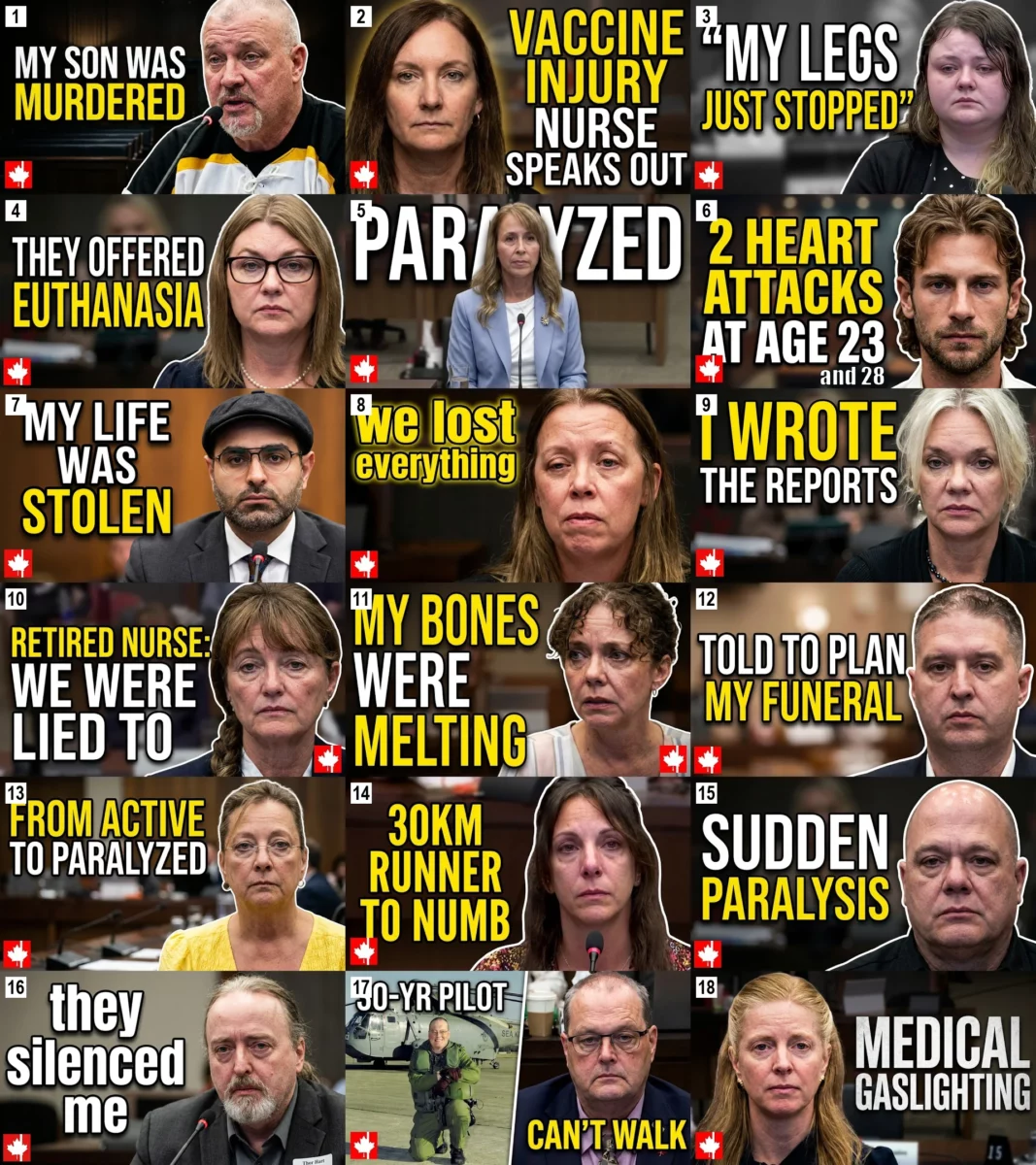
Over the course of the NCI hearings, I sat through testimony from British Columbians, your constituents, my neighbours, who swore an oath and told their stories:
- Healthcare workers who described being silenced, disciplined, or driven from practice because they questioned treatment protocols that their own clinical judgment told them were wrong.
- Parents who lost children to a mental health crisis that lockdowns and school closures deepened and who were told their grief was less important than compliance.
- Lawyers who described watching colleagues face Law Society complaints not for incompetence or dishonesty, but for representing clients who challenged government policy.
- Small business owners who followed every rule they were given and still lost everything—while big-box competitors stayed open under the same public health logic that shuttered their doors.
None of these people were cross-examined and not one of their testimonies was challenged under oath. The government agencies, health authorities and regulatory bodies were invited. They didn’t show.
I’m not asking you to take my word for any of this. All testimony is public, the commissioners’ report is published and the record exists. What it lacks is anyone in elected office, except perhaps two of you that have testified, willing to acknowledge that it exists at all.
Why This Matters Right Now in BC
British Columbia is in the middle of a quiet but profound restructuring of how power works in this province. The Declaration of the Rights of Indigenous Peoples Act (DRIPA) and its implementing statutes. The Anti-Racism Act. The Interpretation Act amendments. The Health Professions and Occupations Act. The Legal Profession Act.
I’m not writing to debate the merits of any single piece of legislation. I’m writing to point out something that should concern you regardless of your politics:
Every one of these acts concentrates power in regulatory bodies that are not meaningfully accountable to the public and that have already demonstrated a willingness to use that power against people who dissent from official policy.
The College of Physicians and Surgeons can discipline a doctor for “unprofessional conduct” that amounts to nothing more than disagreeing with a public health directive. The Law Society can pursue a lawyer whose clients challenge government action.
The administrative enforcement mechanisms in the Anti-Racism Act and Interpretation Act don’t require criminal standards of proof, don’t provide juries, and don’t offer the procedural protections that Canadians have historically considered fundamental.
Who investigates whether these powers are being abused? Who holds the regulators accountable? Who hears from the people on the receiving end of professional discipline, administrative sanction, and regulatory investigation?
Right now: nobody.
The NCI has heard from some of those people, under oath, on the record and uncontested.
You haven’t.
Why I’m Not Asking You to Launch Another Inquiry
I know there’s pressure to “do something.” The Allison Inquiry at the federal level shows one model: an MP-led hearing, politically structured, with witnesses selected by party staff and findings that—whatever their merits—will always carry the asterisk of having been produced by politicians investigating the system politicians sustain.
BC doesn’t need that because the work has already been done.
The NCI held hearings in this province, British Columbians testified and their words are in the record. You don’t need to spend millions of taxpayer dollars creating a new inquiry that will face the same structural criticism every government-led investigation faces: that government cannot credibly investigate itself.
You just need to receive what already exists.
What I’m Asking
Three things. That’s it.
First, invite representatives of the NCI to present the relevant findings and BC-specific testimony before a legislative committee. Let the evidence be heard in a room where it becomes part of the official record of this province.
Second, enter the sworn testimony and commissioners’ report into the legislative record so they can be cited, debated, and if anyone is willing, challenged.
Third, summon the regulatory bodies implicated in that testimony. The professional colleges, the Ministry of Health, the Law Society and so on. Let them do under oath what they refused to do when first invited: show up and answer the evidence.
If the testimony is flawed, let them expose it. If the findings are wrong, let them refute them. But let it happen in the light, under oath, on the record. What I can’t accept, what I don’t think any citizen should accept, is silence from the powerful and dismissal from the elected.
What Happens If You Say No
I understand you might not respond to this email. I understand that a volunteer from your riding doesn’t carry the weight of a lobbyist, a donor, or a party official. I understand how this works.
But I want you to understand what a non-response means:
It means you’ve chosen not to hear sworn testimony from your own constituents about the conduct of regulatory bodies operating under laws you enacted. It means you’ve decided that citizen-led efforts to document what government won’t investigate are beneath the dignity of your office. It means you’re comfortable leaving uncontested evidence in the public record, not because it was refuted, but because it was ignored.
You can make that choice. But I don’t think you can defend it to the people who put you in office.
The Choice Before You
I’m not a political operator and I don’t have a strategy. I’m a British Columbian who volunteered my time because I believed, and still believe, that citizens have the right to investigate what their government does, and that elected representatives have the duty to listen when they do.
The testimony exists. The findings are published. The record is uncontested.
The only question is whether you’ll look at it.
I live in British Columbia. I vote in British Columbia, and I’m asking.






Explore More...