The-Tent-Cities-We-Pretend-Not-to-See
The Tent Cities We Pretend Not to See
By Marco Navarro-Génie | MNGHaultain.Substack.com
As Canadians gather to celebrate Christmas Eve and Christmas Day with their families in the warmth of their homes, more than 60,000 people across this country will spend Christmas night in a tent, a doorway, or a shelter bed that was supposed to be temporary. Some will have been there for months, perhaps years. The number has quadrupled in six years.
These are not projections or estimates designed to inflate a crisis. In October 2024, enumerators in 74 Canadian communities conducted the most comprehensive count of homelessness this country has attempted. They found 17,088 people sleeping without shelter on a single autumn night, and 4,982 of them were living in encampments. The count excluded Quebec entirely and captured only those willing or able to be found. The real number is certainly higher.
A System in Freefall
What the data reveal is not merely a failure of compassion but a collapse of policy competence across three levels of government, each pointing fingers while the problem accelerates beyond anyone’s capacity to manage it. In Ontario alone, the number experiencing homelessness increased 51 percent between 2016 and 2024.
Chronic homelessness, the kind that traps people in a system designed only for temporary crisis, has tripled in the same period. For the first time, more than half of all homelessness in that province is chronic. People are no longer moving through the system. They are becoming permanent fixtures within it.
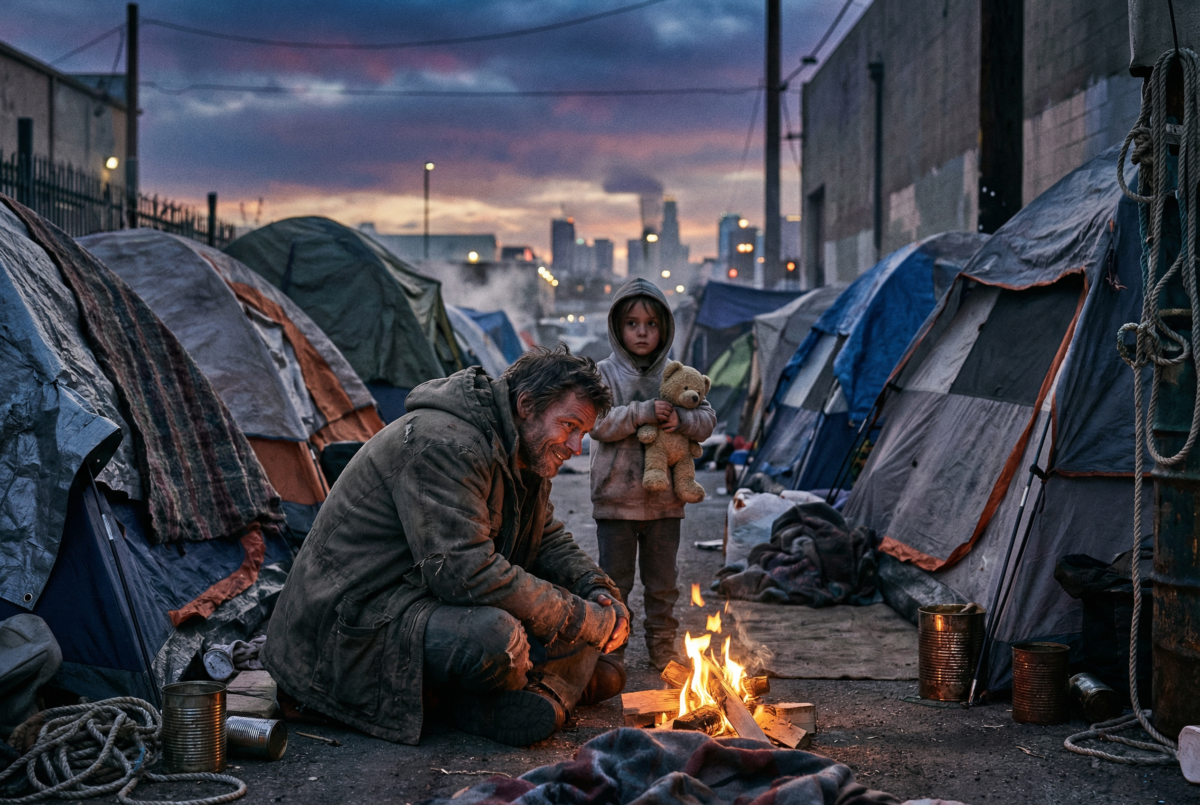
Toronto offers the starkest example. Between April 2021 and October 2024, the homeless population in that city more than doubled, from 7,300 to 15,418. The street needs assessment released in July showed 202 tents scattered across 72 locations, compared to 82 tents in 24 locations the year before.
These camps appear in places they were never seen a decade ago: under highway overpasses in suburbs, beside commuter rail lines, in parks where children used to play. The city has 9,594 people using its shelter system on any given night, yet an average of 158 are turned away each evening because no beds are available. The arithmetic is brutal and obvious.
Money Without Solutions
The federal government announced in September 2024 that it would allocate $250 million over two years to address encampments, contingent on provincial matching. By January 2025, only four jurisdictions had signed agreements: Ontario, Saskatchewan, Quebec, and the Northwest Territories.
Don’t lose touch with uncensored news! Join our mailing list today.
Ontario received $88 million for ten municipalities. The Association of Municipalities of Ontario, in a report published that same month, calculated that ending chronic homelessness in the province would require $11 billion over ten years. The federal contribution represents less than one percent of what is needed for one province alone.
Yet the same federal government found $50 billion for automotive subsidies and battery plants. They borrow tons of money to help foreign car manufacturers build electric vehicles while tens of thousands sleep in tents. The money exists. The question is not fiscal capacity but political priority.
More troubling still is what the money would buy. Pouring billions into a bureaucratic system that has failed spectacularly to generate sufficient housing while failing to address the policies that created the crisis would be worse than useless. It would entrench failure at a higher cost.
Five years ago, tent cities were virtually unknown in most Canadian communities. The problem is not ancient or inevitable. It was fuelled by a specific set of policy choices made recently, and different choices can unmake it.
Immigration Without Infrastructure
Start with immigration policy. The federal government increased annual targets to over 500,000 without ensuring there was sufficient housing capacity to accommodate them. Between 2021 and 2024, refugees and asylum seekers experiencing chronic homelessness increased by 475 percent. These are people invited to Canada under federal policy, then abandoned to municipal shelter systems that were already at capacity. Cities absorb the fiscal and social consequences of federal decisions they had no role in making.
This is not governance. It is passing the bill.
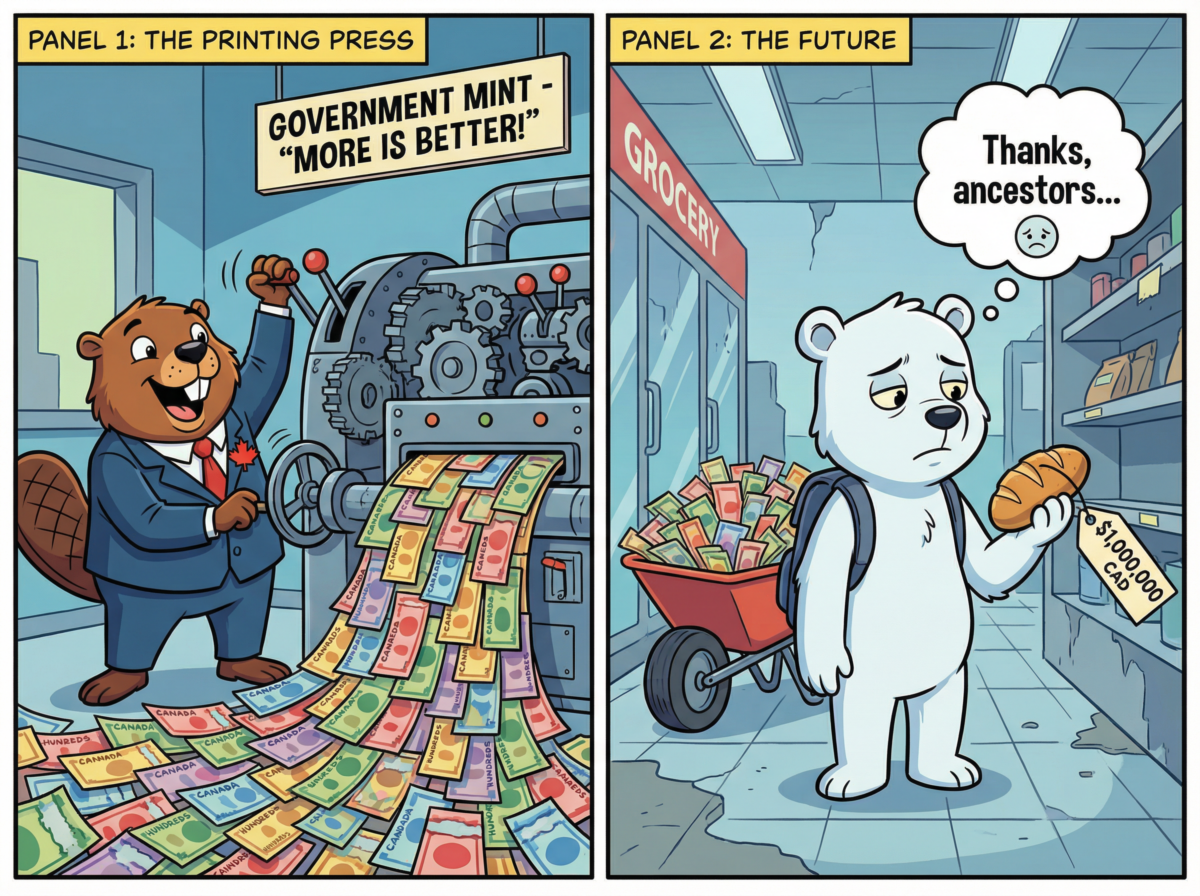
Then there is monetary policy. Pandemic spending drove inflation, making housing unaffordable for people whose incomes could not keep pace. Between 2010 and 2021, Ontario Works shelter benefits increased by 7 percent, while market rents rose by 51 percent. The federal government printed money, housing costs exploded, and those on fixed incomes found themselves priced out of the market entirely. Shelter waitlists now contain 268,000 households in Ontario alone. The average wait is five years. In some regions, it is twelve.
A System Designed to Stall
Housing supply remains constrained not by lack of demand or capital but by policy. Development charges, zoning restrictions, and approval processes spanning years prevent construction at the required scale. Municipal governments layer fees onto new developments to fund infrastructure, making projects uneconomical. Provincial and federal programs subsidize demand without addressing supply, thereby further inflating prices. Every level of government contributes to the problem while pointing elsewhere for solutions.
Shelter policy itself has become counterproductive. What were designed as temporary emergency refuges now function as long-term housing. The average shelter stay has increased from 39 days in 2015 to 56 days in 2022. There are no time limits, no requirements, no expectations. People remain indefinitely because there is no incentive or requirement to leave.
Meanwhile, restrictive rules around curfews, visitors, and pets drive 85 percent of homeless people to avoid shelters entirely, preferring tents to the indignity of institutional control without the benefit of actual housing.
The expansion of so-called harm reduction programs has substituted enabling for treatment. Safe supply initiatives provide drugs to addicts without requiring participation in recovery programs. Sixty-one percent of those surveyed cite substance use issues, yet the policy response is to make drug use safer rather than to make sobriety achievable. This is compassion only in the narrowest sense. It keeps people alive while ensuring they remain dependent, homeless, and trapped in addiction.
Treatment programs with accountability and expectations of recovery would serve the dignity of the individual far better than an endless supply of free drugs.
When Policy Fails, People Pay
The federal Housing Advocate issued a report in February 2024 calling for an end to forced evictions and the establishment of a national response plan by August of that year. The plan did not materialize. Encampments continue to be cleared, often with police involvement, and residents are offered temporary shelter spaces that many have already rejected as unsafe or incompatible with their circumstances. The advocate invoked human rights law and the Charter. The evictions continue regardless. Neither approach has worked because neither addresses the underlying policy failures.
Indigenous people account for 44.6 percent of those experiencing chronic homelessness in Northern Ontario, despite comprising less than 3 percent of the general population. This overrepresentation is exacerbated by current policies that fail to hold Indigenous governance and self-determination accountable. Billions allocated to Indigenous communities are never scrutinized for results or accountability.
The Cost of Inaction
The question Canadians might ask themselves this December, as they contemplate donations to food banks and toy drives, is whether charity can substitute for competent policy. The answer is empirically clear: it cannot. The problem has grown despite billions in charitable contributions and countless volunteer hours. What is required is not more money thrown at a broken system but a reversal of the policies that broke it. When you are in a hole, you must stop digging before you set out to get out of it.
- Stop increasing immigration targets without corresponding housing supply.
- Stop printing money and driving inflation that prices people out of homes.
- Stop subsidizing demand while strangling supply through red tape and fees.
- Stop treating shelters as permanent housing without time limits or expectations.
- Stop enabling addiction under the guise of harm reduction when treatment and recovery are what dignity requires.
- Stop centralizing decisions in Ottawa that belong with provinces and municipalities, who bear the consequences.
- Stop doling out billions to Aboriginal communities without accountability measures that ensure the money reaches those who need it.
Calgary recorded 436 homeless deaths in 2023, nearly double the previous year. Most were preventable. All were predictable. The Ontario report projects that without significant policy changes, between 165,000 and 294,000 people could experience homelessness annually in that province alone by 2035. The projection assumes governments continue doing what they are doing now, which seems entirely reasonable given the gap between rhetoric and action.
The tents are still there, in the cold, as Christmas approaches. They will be there in January and February too, unless Canadians demand that their governments stop making the problem worse. The data are clear. The solutions are known. What remains absent is the political courage to reverse course. That is a choice, not an inevitability, and it is one for which every level of government should be held to account.
Originally published at mnghaultain.substack.com





Explore More...